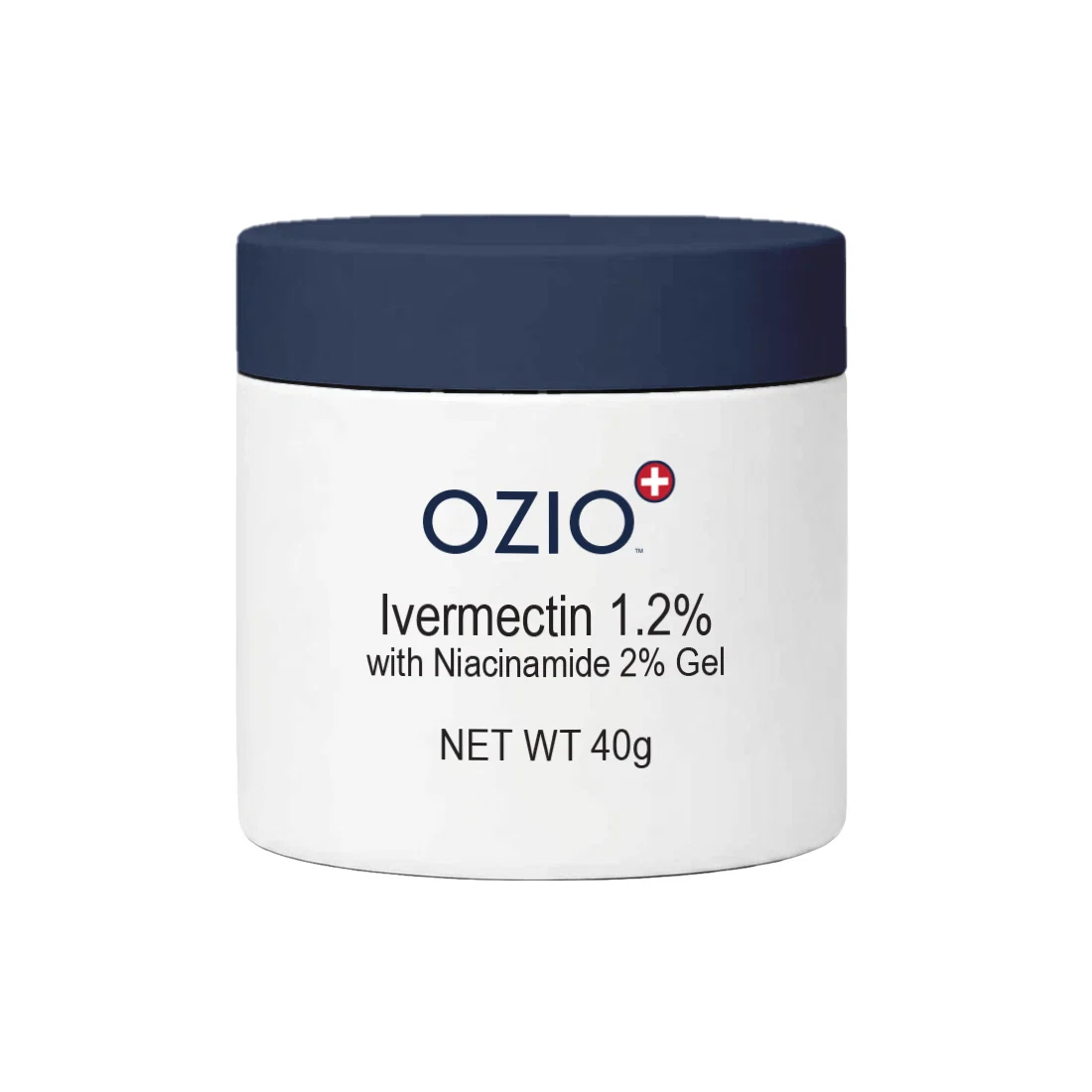
Ivermectin is a medication that has been used in different forms for several medical conditions. In dermatology, topical ivermectin is most closely associated with the treatment of inflammatory lesions linked to rosacea. It is available in topical formulations designed to be applied directly to affected skin.
Although products may be described casually as “ivermectin gel for skin,” the FDA-approved formulation in the United States for rosacea is ivermectin 1% cream. It is prescribed for inflammatory lesions of rosacea and is applied once daily to affected areas of the face. For readers researching available treatment options, information about ivermectin gel for skin online can also help explain different formulations, application methods, and appropriate use under medical guidance. Understanding what topical ivermectin is intended to treat, how it is normally applied, and what precautions are involved can help patients use it appropriately.
What Is Ivermectin?
Ivermectin is an antiparasitic medication with uses that extend beyond a single type of treatment. For certain skin conditions, it is formulated for topical application rather than taken by mouth.
The 1% topical cream approved for rosacea contains 10 mg of ivermectin per gram of cream. Its approved indication is the treatment of inflammatory lesions associated with rosacea.
Rosacea is a chronic skin condition that can cause persistent facial discoloration, flushing, visible blood vessels, and acne-like inflammatory bumps. Because these symptoms can resemble acne and other skin disorders, an accurate diagnosis is useful before starting prescription treatment.
How Topical Ivermectin Is Used for Rosacea
Topical ivermectin is primarily used to reduce inflammatory lesions associated with rosacea. The American Academy of Dermatology lists ivermectin cream among topical medicines that dermatologists may prescribe for acne-like breakouts caused by rosacea.
Its effects are linked to anti-inflammatory activity and activity against certain organisms associated with rosacea. The exact reasons ivermectin benefits rosacea are more complex than simply treating a skin parasite, so it should not be viewed as a general-purpose treatment for every type of facial breakout.
A dermatologist may recommend ivermectin when inflammatory papules and pustules are a prominent part of a patient’s rosacea.
Applying Ivermectin Correctly
The FDA prescribing information for ivermectin 1% cream recommends applying it once daily to affected areas of the face. A small amount is spread as a thin layer over the areas being treated. The instructions specify avoiding the eyes and lips.
A typical application routine may include:
- Gently cleanse the face with a mild cleanser.
- Allow the skin to dry.
- Apply the prescribed amount of ivermectin to the affected areas.
- Spread the product into a thin layer without vigorous rubbing.
- Wash your hands after application unless the hands are part of the treatment area.
- Follow the dosing schedule provided by the prescribing clinician.
Using more product does not necessarily produce faster results. Applying excessive amounts may instead increase the chance of irritation.
The medication should also be used only on the areas and for the duration recommended by the prescriber.
Why Diagnosis Matters
Facial bumps and redness can have several causes. Acne, rosacea, seborrheic dermatitis, eczema, and other conditions can sometimes appear similar.
The American Academy of Dermatology recommends professional evaluation when rosacea is suspected because an accurate diagnosis helps determine the appropriate treatment.
Ivermectin should therefore not be treated as a universal acne medication. Its FDA-approved topical use is specifically for inflammatory lesions of rosacea. Using a prescription medicine for an unrelated skin problem without medical guidance can delay proper treatment.
What Results Can Patients Expect?
Topical rosacea treatments generally require consistent use. Changes may not be immediate, and the response varies from one person to another.
Clinical studies included in FDA documentation evaluated ivermectin 1% cream over 12 weeks in people with moderate to severe rosacea. The studies found improvements in inflammatory lesions and overall assessment compared with the vehicle treatment.
Patients should follow the treatment schedule rather than increasing application frequency because they want quicker results. A dermatologist can determine whether the medication is working adequately and whether another treatment should be added or considered.
Rosacea itself is chronic and does not currently have a permanent cure. Treatment focuses on controlling symptoms, reducing flare-ups, and managing the visible and uncomfortable effects of the condition.
Possible Skin Reactions
Like other topical medicines, ivermectin can cause local skin reactions. The FDA prescribing information identifies skin burning and irritation among reported adverse reactions.
A person should contact their healthcare provider if irritation becomes severe, persistent, or unusual. Medical advice is particularly appropriate if swelling, significant discomfort, or other concerning symptoms develop.
People with sensitive or rosacea-prone skin may also benefit from keeping the rest of their skincare routine simple. The American Academy of Dermatology recommends gentle, fragrance-free products and avoiding ingredients that commonly irritate rosacea-prone skin.
Combining Ivermectin With a Skin-Care Routine
Medication is only one part of rosacea management. Gentle cleansing, moisturising, and sun protection can help reduce irritation and support the skin barrier.
A mild cleanser can remove oil and surface debris without excessive friction. A suitable moisturiser can help reduce dryness, while sunscreen can help protect skin from ultraviolet exposure. Sunlight is a common rosacea trigger, so dermatologists often recommend year-round sun protection.
Other personal triggers may also contribute to flare-ups. Heat, alcohol, spicy foods, and certain skincare products can aggravate symptoms in some people. Keeping track of individual triggers can help patients and dermatologists develop a more practical treatment routine.
Ivermectin Gel vs. Ivermectin Cream
The term “ivermectin gel” may appear in online searches, but patients should check the exact formulation before using a product. Different topical preparations can have different concentrations, ingredients, directions, and approved uses.
The FDA-approved U.S. ivermectin formulation for rosacea is a 1% cream rather than a general-purpose skin gel. The prescribing information specifically states that it is intended for topical use and should not be used orally, in the eyes, or intravaginally.
Compounded topical preparations may also exist, but their formulation and directions can differ from an FDA-approved product. Anyone using a compounded medication should follow the instructions supplied by the prescribing clinician and compounding pharmacy.
When to Speak With a Dermatologist
Professional advice is useful when facial redness, bumps, burning, or recurring irritation does not have a clear cause. A dermatologist can distinguish rosacea from other conditions and decide whether topical ivermectin is appropriate.
Medical review is also helpful if symptoms involve the eyes. Rosacea can affect the eyes and may cause redness, irritation, dryness, swollen eyelids, or other symptoms. Early evaluation can help prevent more serious eye complications.
Topical ivermectin can be an effective prescription option for the inflammatory lesions associated with rosacea, but it should be used for the condition it is intended to treat. Correct application, realistic expectations, gentle skincare, and professional guidance all contribute to safer and more appropriate use.