


consolemagazine com

consolemagazine com

How Data Centers Power the Internet

Data centers form the backbone of the Internet, serving as centralized…

ByJohn AJan 16, 20263 min read
How Data Improves Education Outcomes

Data plays a crucial role in enhancing educational outcomes. By systematically…

ByJohn AJan 16, 20263 min read
How Digital Ledgers Transform Finance

Digital ledgers are reshaping the financial landscape by introducing a decentralized…

ByJohn AJan 16, 20263 min read
How Digital Platforms Are Built

Digital platforms require a strategic blend of technology, design, and community…

ByJohn AJan 16, 20263 min read
How to Prepare Your Family for Moving to a New Home
How to Prepare Your Family for Moving…

Moving to a new home is an exciting milestone, but it…

ByJohn AMar 16, 202610 min read
Photography can be a rewarding career that blends creativity with entrepreneurship. However, many photographers experience fluctuating income throughout the year. Wedding seasons, holiday events, tourism, and commercial campaigns often create busy periods followed by slower months. Managing finances during these ups and downs can be challenging for professionals who depend on photography as their primary source of income. Because of these income fluctuations, photographers often look for financial solutions such as business loans for photographers to help manage expenses, upgrade equipment, or maintain operations during slow seasons. While financing can provide temporary support, long term financial stability depends on proper planning, budgeting, and income management. With the right financial strategies, photographers can create a stable financial foundation even when their income varies throughout the year. Careful planning helps cover business expenses, maintain savings, and reduce financial stress during off peak seasons. This guide explains practical financial planning tips that help photographers manage seasonal income while maintaining a sustainable and profitable business. Understanding Seasonal Income in the Photography Industry Seasonal income refers to earnings that fluctuate depending on the time of year. Many photography niches naturally follow seasonal demand patterns. For example, wedding photographers often experience peak bookings during spring and summer months. Event photographers may see higher demand during holidays and corporate event seasons. Travel photographers may earn more during tourist seasons. During these busy periods, photographers can earn a large portion of their annual income. However, slow months may bring fewer bookings and reduced cash flow. Understanding these cycles helps photographers prepare financially and avoid overspending during high earning periods. Key factors that influence seasonal income include: Wedding and event seasons Holiday related photography demand Tourism trends Weather conditions Corporate marketing cycles Recognizing these patterns allows photographers to plan income distribution throughout the year. Creating a Stable Annual Budget A clear annual budget is one of the most important financial planning tools for photographers with seasonal income. Instead of focusing on monthly earnings alone, photographers should evaluate their total yearly income. An annual budget helps distribute earnings from busy months across the entire year. Important budgeting categories include: Equipment purchases and maintenance Software subscriptions and editing tools Studio rent or workspace costs Marketing and advertising expenses Travel and transportation costs Insurance and business licenses By calculating these costs in advance, photographers can allocate income more effectively and prevent financial gaps during slower months. Budget planning also helps avoid unnecessary spending during peak seasons when income is high. Building an Emergency Fund for Slow Seasons Seasonal businesses benefit greatly from maintaining a financial safety net. An emergency fund helps photographers manage expenses when bookings temporarily decline. Ideally, photographers should save enough funds to cover several months of personal and business expenses. This reserve acts as a buffer that provides financial stability during unpredictable periods. Emergency savings may be used for: Rent or mortgage payments Equipment repairs Software renewals Insurance premiums Business operating costs Photographers who maintain an emergency fund can navigate slow seasons with greater confidence and less financial stress. Building this fund gradually during high income months can significantly improve long term financial security. Separating Personal and Business Finances Many independent photographers operate as freelancers or small business owners. Mixing personal and business finances can make financial management more complicated. Maintaining separate accounts helps track income and expenses more accurately. It also simplifies budgeting, accounting, and tax preparation. Benefits of separating finances include: Clear visibility of business performance Better tracking of deductible expenses Simplified bookkeeping Improved financial organization A dedicated business account also helps photographers manage irregular income more effectively by distinguishing operational funds from personal spending. Managing Cash Flow Throughout the Year Cash flow management is essential for businesses with fluctuating income. Even when photographers earn a significant amount during peak seasons, poor cash flow planning can lead to financial shortages later. Managing cash flow requires planning how money moves in and out of the business throughout the year. Photographers can improve cash flow by: Spreading large expenses across the year Scheduling equipment upgrades strategically Planning marketing investments before busy seasons Monitoring monthly spending trends Tracking income and expenses regularly helps photographers identify patterns and adjust financial strategies accordingly. Good cash flow management ensures that business operations continue smoothly regardless of seasonal income changes. Diversifying Photography Income Streams Relying on a single type of photography service can increase financial risk. Diversifying income sources allows photographers to maintain revenue even when one niche slows down. Photographers can expand their services into multiple areas depending on their skills and interests. Some potential income streams include: Portrait photography sessions Corporate event photography Product photography for businesses Real estate photography Photography workshops or courses Licensing images through stock platforms Offering different services throughout the year helps balance seasonal fluctuations and creates more consistent income. Diversification also allows photographers to reach new clients and markets. Planning Equipment Investments Wisely Photography equipment is one of the largest financial investments in the industry. Cameras, lenses, lighting gear, editing software, and storage systems can represent a significant portion of business expenses. While upgrading equipment can improve image quality and workflow efficiency, photographers should carefully evaluate each purchase. Before investing in new equipment, photographers should consider: Whether the upgrade will increase revenue opportunities How frequently the equipment will be used The potential return on investment Available financing options Planning equipment purchases during profitable months can reduce financial strain during slower periods. Well planned investments help photographers grow their business without creating unnecessary financial pressure. Preparing for Taxes as a Self Employed Photographer Photographers who work independently are responsible for managing their own taxes. Seasonal income can make tax planning more complicated if earnings vary widely throughout the year. Setting aside a portion of income for taxes is an important financial practice. Photographers should track expenses that may qualify for tax deductions. These expenses often include equipment purchases, travel costs, software subscriptions, marketing expenses, and studio rent. Maintaining accurate financial records throughout the year simplifies tax preparation and helps photographers avoid unexpected tax burdens. Consulting financial professionals or using accounting software can also improve tax management. Using Financial Tools and Software Technology can make financial planning much easier for photographers managing seasonal income. Accounting and budgeting software helps track earnings, monitor expenses, and organize financial data. Financial tools provide insights into business performance and spending patterns. Helpful tools for photographers may include: Expense tracking software Invoicing and payment platforms Accounting applications Budget planning tools These systems simplify record keeping and help photographers make informed financial decisions. Automated financial tracking also reduces the risk of missing important payments or financial deadlines. Adjusting Lifestyle Spending During High Income Months One common financial challenge for professionals with seasonal income is lifestyle inflation. When photographers experience high earnings during busy seasons, it can be tempting to increase personal spending. However, this approach can create financial difficulties during slower months. Maintaining consistent spending habits throughout the year helps ensure financial stability. Instead of increasing lifestyle expenses during peak months, photographers can allocate surplus income toward: Savings and emergency funds Equipment upgrades Business marketing investments Debt reduction This disciplined approach allows photographers to maximize the benefits of high income periods while preparing for slower seasons. Setting Long Term Financial Goals Successful financial planning goes beyond managing seasonal income. Photographers should also consider long term financial objectives that support both personal and business growth. Examples of long term goals include expanding a photography studio, investing in advanced equipment, building retirement savings, or developing passive income streams. Setting clear financial goals helps photographers stay focused and motivated when making financial decisions. Breaking larger goals into smaller milestones makes them easier to achieve over time. Regularly reviewing financial progress also helps photographers adjust strategies based on changing business conditions. Conclusion Photographers who rely on seasonal income face unique financial challenges. Income may fluctuate significantly depending on demand, industry trends, and the time of year. Without proper planning, these variations can create financial stress and uncertainty. However, effective financial planning allows photographers to manage these fluctuations successfully. Creating an annual budget, building emergency savings, diversifying income streams, and managing cash flow are essential strategies for maintaining financial stability. Photographers who treat their creative work as a structured business can build stronger financial foundations. Careful budgeting, thoughtful investments, and consistent financial monitoring help transform seasonal income into long term stability.
Financial Planning Tips for Photographers With Seasonal…

Photography can be a rewarding career that blends creativity with entrepreneurship.…

ByJohn AMar 16, 202610 min read

consolemagazine com

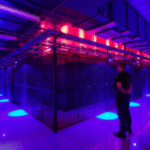
How Data Centers Power the Internet

How Data Centers Power the Internet

ByJohn AJan 16, 20263 min read

Data centers form the backbone of the Internet, serving as centralized hubs for data storage, processing, and distribution. They integrate sophisticated hardware and software to ensure efficient operations and robust security. These facilities are critical for maintaining global connectivity and managing the exponential growth of digital information. However, as demand increases, data centers encounter various […]

How Data Improves Education Outcomes

How Data Improves Education Outcomes

ByJohn AJan 16, 20263 min read

Data plays a crucial role in enhancing educational outcomes. By systematically analyzing student performance, educators can pinpoint areas for improvement and tailor…

How Digital Ledgers Transform Finance

How Digital Ledgers Transform Finance

ByJohn AJan 16, 20263 min read

Digital ledgers are reshaping the financial landscape by introducing a decentralized framework that prioritizes transparency and security. Their ability to eliminate intermediaries…

How Digital Platforms Are Built

How Digital Platforms Are Built

ByJohn AJan 16, 20263 min read

Digital platforms require a strategic blend of technology, design, and community engagement. Selecting an appropriate technology stack is crucial for performance and…

How to Prepare Your Family for Moving to a New Home

How to Prepare Your Family for Moving…

ByJohn AMar 16, 202610 min read

Moving to a new home is an exciting milestone, but it can also be a stressful experience for families. Packing belongings, coordinating…

Home - consolemagazine